
CETUS RESEARCH & CONSERVATION SOCIETY
Protect BC’s Whales
Protecting marine mammals through
research, education and direct intervention
Cetus Research & Conservation Society is a non-profit marine conservation organization, founded in 2005 to address the increasing endangerment of BC's killer whales due to human activities. We focus directly on one of the three key contributors to killer whale endangerment: vessel traffic disturbance. We work in the field to protect whales and other marine mammals from harassment and harm. As vessel traffic in the region increases,
Cetus's work becomes more and more crucial to their survival.
Support CETUS as we work to reduce disturbances to marine mammals on the BC coast & inspire respect for our marine environment through education & direct monitoring activities.
What We Do

Straitwatch
Straitwatch is a stewardship program operating on the Salish Sea focusing primarily in the waters around Victoria and the Southern Gulf Islands. This area is the habitat of the endangered Southern Resident Killer Whales of which only 75 remain.

Robson Bight Warden Program
The Robson Bight Warden Program operates on the waters surrounding the Robson Bight (Michael Bigg) Ecological Reserve on northeastern Vancouver Island. The Reserve itself is protected as critical habitat for the threatened Northern Resident Killer Whales.
Who We Do it For

SOUTHERN RESIDENT
KILLER WHALES
J Pod
Image by Emily Perkovic

NORTHERN RESIDENT
KILLER WHALES
A84, A50, and A123
Image by Grace Guiney
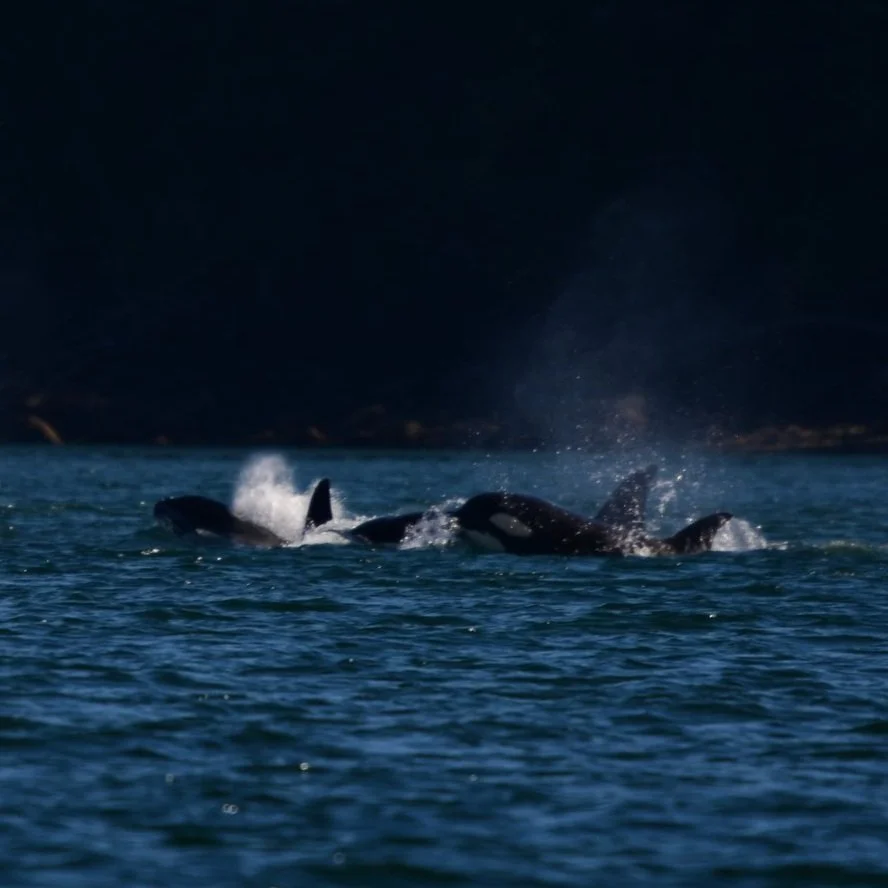
TRANSIENT (BIGG’S) KILLER WHALES
T36bs & T99s
Image by Emily Perkovic
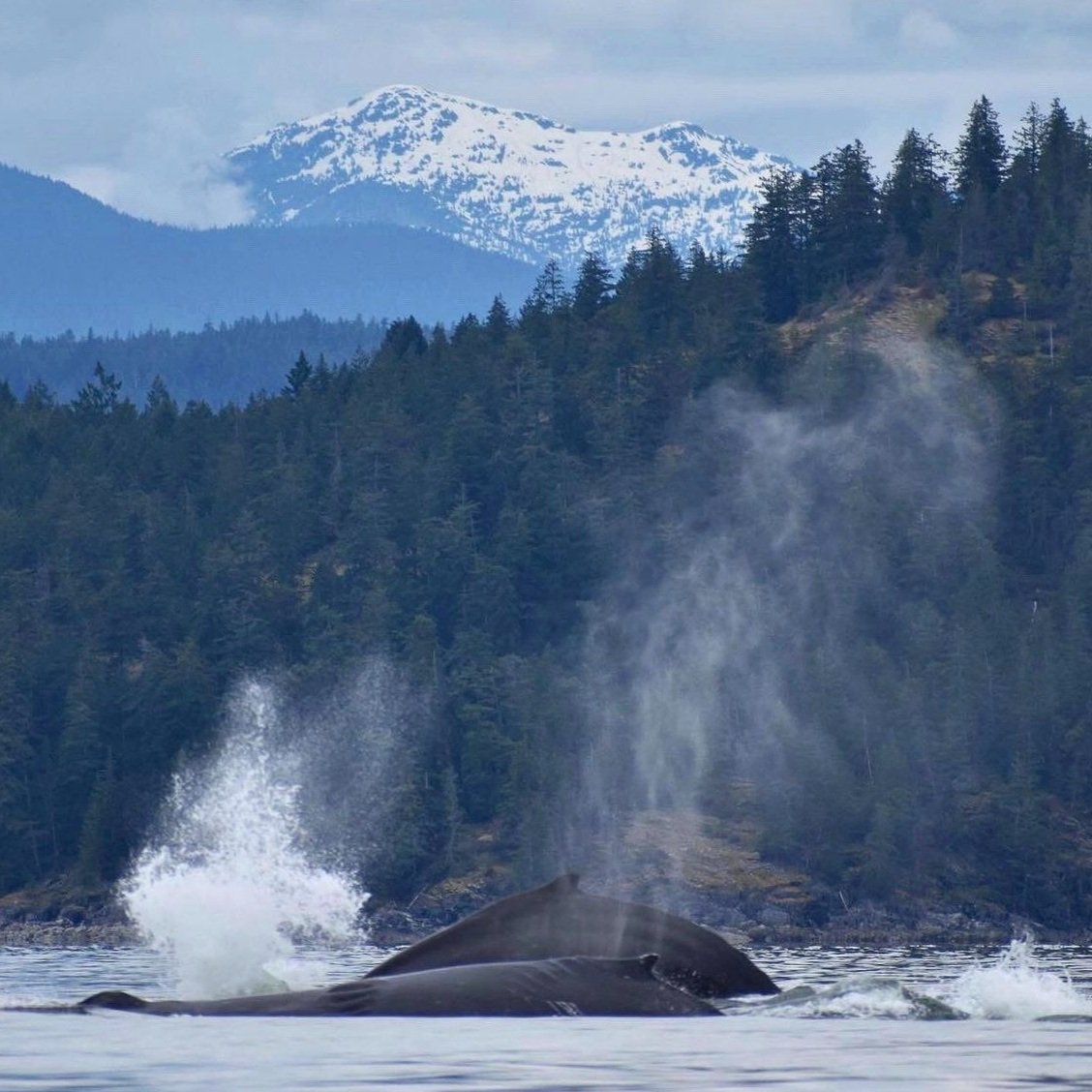
HUMPBACK WHALES
Callahan and Calypso
Image by Alex Friedman